Simple Relaxing Activities You Can Try Today
Discover simple relaxing activities that help reduce stress, calm an overwhelmed mind, and create moments of peace without screens. Find easy ideas you can start today.
5/9/20267 min read
Simple Relaxing Activities You Can Try Today
Simple relaxing activities help because they reduce stimulation, calm the nervous system, and give your brain a break from constant information and pressure.
Many people find activities such as coloring, reading, journaling, stretching, walking, puzzles, tea rituals, and other creative hobbies more restorative than scrolling social media or watching endless content.
The best relaxing activity is the one that feels easy, enjoyable, and low-pressure for you.
👉 [Download Free Calming Coloring Pages]
Why Relaxation Feels So Difficult Today
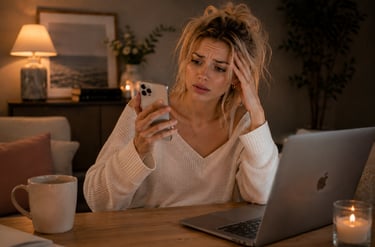
One of the biggest challenges of modern life is that we are almost never truly "off."
Even when work ends, many people continue consuming:
social media
news
messages
videos
emails
notifications
The brain rarely gets a chance to slow down.
As a result, many people say:
"I don't even know how to relax anymore."
The problem isn't that people have forgotten how to rest.
The problem is that modern life constantly competes for our attention.
Relaxation often requires something that feels surprisingly rare:
space.
Space to think.
Space to breathe.
Space to be present.
Without constant stimulation.
What Makes an Activity Truly Relaxing?
Not everything that feels enjoyable is actually relaxing.
This is an important distinction.
Many activities provide stimulation.
Fewer activities provide restoration.
For example:
scrolling social media can feel entertaining
binge-watching can feel distracting
online shopping can feel exciting
But after hours of doing these things, many people still feel tired.
Why?
Because the brain remains active.
Truly relaxing activities tend to have several things in common:
slower pace
fewer decisions
less comparison
less pressure
a sense of completion
gentle focus
These activities help the nervous system move away from "constant input mode."
And that shift often feels surprisingly calming.
Sometimes stress doesn't feel dramatic.
It doesn't always arrive as panic, overwhelm, or burnout.
Sometimes it simply feels like:
mental tiredness
constant tension
difficulty switching off
feeling emotionally drained
struggling to enjoy your free time
You finally have a quiet moment.
The workday is over.
The house is calm.
Your to-do list can wait.
And yet somehow, you still don't feel relaxed.
If you've ever wondered:
"How do I actually relax?"
"What should I do when I'm stressed?"
"Why can't I switch off?"
"What are relaxing activities that actually help?"
you're not alone.
Many people today spend so much time consuming information that they forget what genuine relaxation feels like.
The good news is that relaxation doesn't have to be complicated.
Often, the most effective activities are also the simplest.
Quick Answer
Which Relaxing Activity Is Right For You?
Not every relaxing activity works for every person.
The best activity often depends on how you're feeling right now.
Instead of asking:
"What's the best relaxing hobby?"
try asking:
"What kind of rest do I need today?"
If You Feel Mentally Tired
Mental fatigue often comes from too much thinking, decision-making, and information processing.
When your brain feels overloaded, choose activities that require gentle focus without demanding a lot of energy.
Try:
coloring
reading fiction
puzzle books
listening to calming music
simple crafts
These activities help your attention settle without adding more mental pressure.
If You Feel Anxious
Anxiety often creates racing thoughts and a feeling of internal tension.
Activities with repetition can feel especially soothing.
Try:
repetitive coloring pages
knitting or crochet
stretching
breathing exercises
gentle walking
Repetition helps signal safety to the nervous system.
If You Feel Emotionally Drained
Emotional exhaustion feels different from physical tiredness.
You may feel disconnected, flat, or simply unable to enjoy things.
Try:
journaling
self-care coloring pages
tea rituals
reading comforting books
quiet creative hobbies
The goal isn't stimulation.
The goal is emotional recovery.
If You Feel Overstimulated
Many people today feel overwhelmed by constant noise, screens, and information.
When everything feels "too much," simpler activities often work best.
Try:
bold & easy coloring pages
quiet reading
nature walks
stretching
calming music
Less stimulation often creates more relaxation.
If You Feel Restless
Sometimes you're not exactly stressed.
You simply can't sit still.
In those moments, activities that keep the hands busy can help.
Try:
coloring
puzzles
gardening
crochet
organizing a small space
Movement and focus often work well together.
Download Free Relaxation Coloring Pack
Why Coloring Is One of the Easiest Relaxing Hobbies
Many relaxing hobbies are wonderful.
But some require:
planning
equipment
learning new skills
lots of energy
Coloring is different.
One reason adult coloring books have become so popular is because they're incredibly easy to start.
You don't need:
artistic talent
experience
expensive supplies
preparation
You simply choose a page and begin.
For people who feel:
stressed
overwhelmed
mentally exhausted
emotionally drained
that simplicity matters.
Coloring creates a rare combination of:
creativity
focus
relaxation
without pressure.
Unlike social media, coloring doesn't constantly pull your attention in different directions.
Unlike many hobbies, it doesn't demand performance.
And unlike endless scrolling, it creates a sense of completion.
You finish a page.
You see your progress.
You experience closure.
For many people, that feeling alone can be deeply satisfying.
Different people relax in different ways.
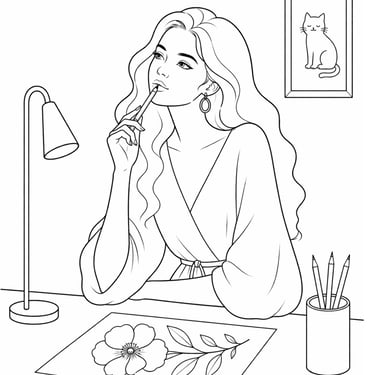
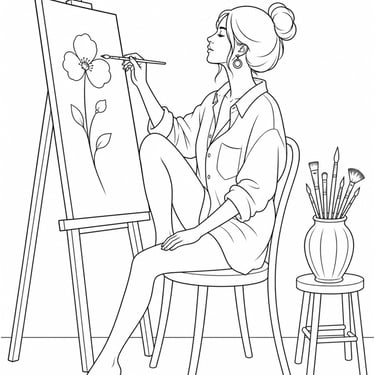
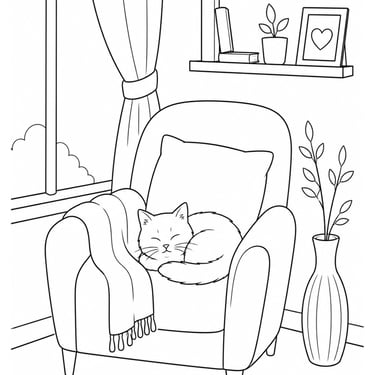
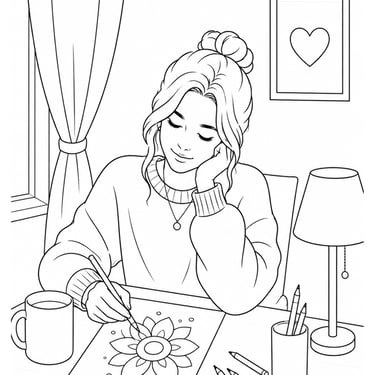
This free printable coloring 5 pages pack includes a variety of calming coloring styles designed to support relaxation, screen-free downtime, and gentle creative focus.
Whether you prefer simple bold designs, cozy scenes, or self-care themed pages, you'll find something that feels approachable and relaxing.
Download Free Relaxation Coloring Pack
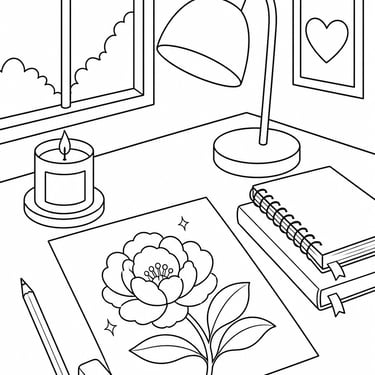
Different people find different types of coloring pages relaxing.
Some prefer simple bold designs.
Others enjoy cozy scenes, self-care themes, or gentle decorative patterns.
The goal is not artistic perfection.
The goal is creating a few quiet minutes for yourself.
Related Articles
You may also enjoy:
I Can't Stop Scrolling at Night — Why It Happens and What Actually Helps
Simple Relaxing Activities You Can Try Today
Low-Dopamine Hobbies That Help You Feel Calm Again
Coloring for Stress Relief: Why It Feels So Calming
A Simple 15-Minute Relaxation Routine
Many people think relaxation requires an entire evening.
It doesn't.
Even fifteen intentional minutes can help you feel noticeably calmer.
Try this simple routine:
Minutes 1–5
Put your phone away.
Not beside you.
Not face-down.
Actually put it in another room if possible.
Take a few slow breaths.
Allow your attention to shift away from screens.
Minutes 6–10
Choose a calming activity.
For example:
make tea
listen to music
read a few pages
stretch gently
The goal is to slow down.
Not to achieve anything.
Minutes 11–15
Color a page.
Choose something simple.
Don't worry about colors.
Don't worry about being creative.
Just enjoy the process.
Focus on the page in front of you.
Many people are surprised by how different they feel after only fifteen minutes.
FAQ
What are the best relaxing activities for adults?
Some of the most popular relaxing activities include coloring, reading, journaling, walking, stretching, puzzles, tea rituals, and creative hobbies.
What can I do to relax instead of scrolling?
Many people find coloring, reading, journaling, crafts, and quiet hobbies more restorative than social media.
What is the most relaxing hobby?
The answer varies from person to person. However, hobbies that combine gentle focus with low pressure are often experienced as highly relaxing.
Can coloring really reduce stress?
Many people report feeling calmer and more focused after coloring because it encourages slow, screen-free concentration.
Why do I struggle to relax?
Modern life provides constant stimulation through work, screens, notifications, and information. Many people simply need more opportunities to slow down.
Are creative hobbies good for mental health?
Creative hobbies can provide relaxation, emotional expression, and a healthy break from daily stress.
How long should I spend relaxing each day?
Even 10–15 minutes can make a noticeable difference.
Are screen-free activities better for relaxation?
Many people find screen-free activities more restorative because they reduce information overload and digital stimulation.
What are relaxing hobbies for beginners?
Coloring, journaling, walking, reading, tea rituals, puzzles, and simple crafts are excellent beginner-friendly options.
What should I do when I feel overwhelmed?
Start small.
Choose one calming activity and commit to just ten minutes.
Small steps often feel more manageable than trying to create a perfect routine.
Free printable stress relief coloring pages by Sacred Coloring
About Sacred Coloring
Sacred Coloring creates printable coloring pages and screen-free creative activities designed to help people slow down, reconnect with themselves, and enjoy moments of calm away from screens.
Our collections include:
Anti-Scrolling Coloring Pages
Feminine Self-Care Coloring Pages
Bold & Easy Coloring Pages
All designed to support slower, calmer moments in everyday life.
Final Thought
Relaxation doesn't have to be productive.
It doesn't have to be perfect.
And it doesn't have to take hours.
Sometimes the most powerful thing you can do is pause for a few minutes and give your mind something gentler to focus on.
A quiet walk.
A warm cup of tea.
A few pages of a book.
A simple coloring page.
Small moments of calm add up.
And often, those small moments are exactly what we need.
15 Simple Relaxing Activities You Can Try Today
You don't need expensive equipment, special skills, or a perfect routine.
Here are some of the easiest relaxing activities to start with.
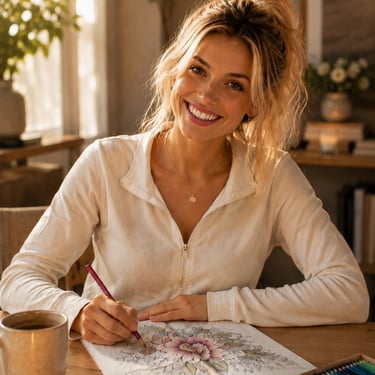
1. Coloring
Coloring is one of the simplest ways to slow down.
It combines:
creativity
repetition
gentle focus
without requiring significant mental effort.
Many people find coloring relaxing because it keeps the hands busy while allowing the mind to settle.
There is no pressure to perform.
No deadlines.
No expectations.
Just a few quiet moments with a page and some colors.
2. Reading Fiction
Reading fiction can create a healthy mental escape.
Unlike scrolling, books have structure and closure.
They allow the brain to focus on one story instead of hundreds of unrelated pieces of information.
Even ten minutes of reading can feel calming after a stressful day.
3. Journaling
Writing thoughts down often reduces mental clutter.
Journaling doesn't need to be deep or complicated.
You can simply write:
what happened today
what you're feeling
what you're grateful for
what's currently on your mind
Many people feel lighter afterward.
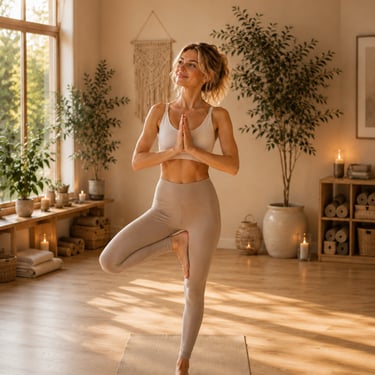
4. Gentle Stretching
Stress often lives in the body as much as the mind.
Simple stretching can help release tension in:
shoulders
neck
back
hips
Even five minutes can make a difference.
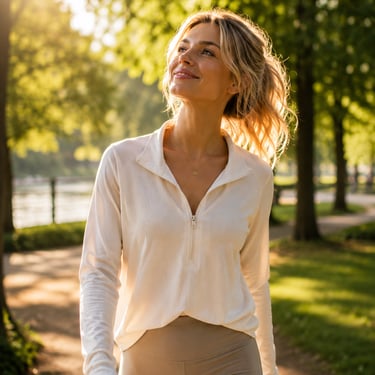
5. Taking a Quiet Walk
Walking gives the brain a chance to slow down naturally.
You don't need a fitness goal.
You don't need a step target.
Just walk.
Notice your surroundings.
Let your thoughts settle.
6. Listening to Calming Music
Music can help shift your emotional state surprisingly quickly.
Many people create:
evening playlists
instrumental playlists
nature sounds
piano music collections
to help transition from stress into relaxation.
7. Tea Rituals
Sometimes relaxation comes from slowing down everyday actions.
Making tea intentionally can become a calming ritual.
Choose a favorite mug.
Boil the water.
Sit quietly.
Notice the warmth.
Notice the smell.
Small moments matter.
8. Puzzle Books
Crosswords, word searches, Sudoku, and other puzzle books can provide focused attention without overwhelming stimulation.
Many people find them deeply calming.
9. Creative Crafts
Simple crafts such as:
crochet
knitting
embroidery
scrapbooking
encourage repetitive movement and gentle concentration.
These activities can feel surprisingly grounding.
10. Gardening
Even a few minutes caring for plants can create a sense of calm and connection.
Many people find gardening both relaxing and rewarding.
11. Drawing
You don't need artistic talent.
Simple doodling or sketching can help shift attention away from stress.
The goal isn't perfection.
The goal is expression.
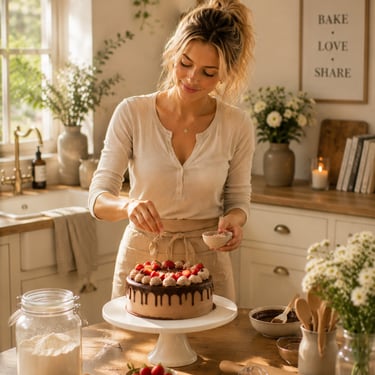
12. Baking
Baking engages the senses and creates a clear beginning, middle, and end.
Many people find the process itself relaxing.
13. Organizing a Small Space
Notice:
small space.
Not your entire house.
Organizing one drawer, shelf, or desk area can create a feeling of control and accomplishment.
14. Breathing Exercises
Slow breathing sends signals of safety to the nervous system.
Even a few minutes can help reduce feelings of stress.
15. Doing Absolutely Nothing
This may sound strange.
But many people never allow themselves to simply sit quietly.
No phone.
No task.
No productivity.
Just a few minutes of stillness.
Sometimes that alone can be restorative.
Download Free Relaxation Coloring Pack