
I Feel Stressed All the Time — What Actually Helps?
Feeling stressed all the time can leave you mentally exhausted, overwhelmed, and unable to relax. Learn why chronic stress happens, what actually helps, and how simple screen-free activities like coloring can support a calmer evening routine.
5/9/202610 min read


I Feel Stressed All the Time — What Actually Helps?
Feeling stressed all the time is often a sign that your brain and nervous system are not getting enough true recovery.
Many people spend their days moving between work, screens, responsibilities, notifications, and information overload without giving themselves enough opportunities to slow down.
Simple calming activities such as coloring, reading, journaling, stretching, walking, or creating screen-free evening routines can help support relaxation and emotional recovery over time.
👉 [Download Free Stress Relief Coloring Pages]
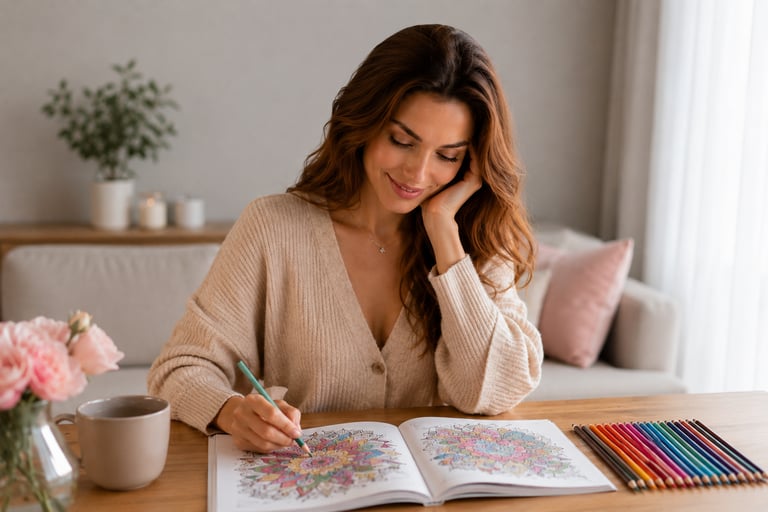
Many people assume stress only comes from major life problems.
But often, chronic stress develops from dozens of smaller pressures that build up over time.
Some of the most common sources include:
work pressure
financial concerns
family responsibilities
social obligations
constant phone use
information overload
poor sleep
lack of downtime
The brain was not designed to process information continuously for hours every day.
Yet many people move from:
emails
meetings
text messages
social media
news updates
notifications
without experiencing a real mental break.
Over time, this can leave the nervous system feeling permanently activated.
Even when there is no immediate danger, the body may continue behaving as though it needs to stay alert.
This is one reason stress can feel difficult to escape.
Many adults experience some degree of stress on a daily basis.
However, feeling stressed occasionally is different from feeling stressed constantly.
Short-term stress usually fades after the situation passes.
Chronic stress often lingers.
You may notice that you:
struggle to relax
feel mentally exhausted
worry frequently
feel tense even during quiet moments
find it difficult to enjoy activities you once enjoyed
If stress has become your default state rather than a temporary reaction, it may be a sign that your mind and body need more opportunities for recovery.
This does not mean something is wrong with you.
In many cases, it simply means your life currently contains more input than recovery.
Some stress is a normal part of life.
Deadlines, responsibilities, financial concerns, family obligations, health worries, and unexpected challenges can all create periods of stress.
But sometimes stress stops feeling temporary.
Instead, it becomes a constant background noise.
You wake up feeling tense.
You move through the day feeling rushed.
Even when there is finally time to rest, your mind keeps running.
You may feel overwhelmed, emotionally drained, mentally exhausted, or unable to switch off.
If this sounds familiar, you're not alone.
Many adults today spend their days moving from one source of stimulation to another without creating enough space for true recovery.
The result is that stress can begin to feel permanent — even when there is no immediate crisis.
The good news is that small changes can make a meaningful difference.
Simple calming activities, screen-free routines, creative hobbies, and intentional moments of rest can help support relaxation and mental recovery.
Sacred Coloring creates printable coloring pages and calming creative resources designed to help people slow down, relax, and reconnect with quieter moments throughout the day.
Quick Answer
Why Do I Feel Stressed All the Time?
Is It Normal to Feel Stressed Every Day?
Stress can build gradually.
Many people don't notice how much pressure they are carrying until symptoms begin affecting daily life.
Some common signs include:
Mental Signs
racing thoughts
difficulty concentrating
forgetfulness
overthinking
feeling mentally scattered
Emotional Signs
irritability
emotional exhaustion
feeling overwhelmed
anxiety
emotional numbness
Physical Signs
poor sleep
fatigue
headaches
muscle tension
low energy
The presence of these symptoms does not automatically mean chronic stress is the cause.
However, many people notice these patterns when their nervous system has been under pressure for an extended period.
Why Does Stress Feel Worse at Night?
Many people notice that stress becomes more noticeable in the evening.
There are several reasons why this happens.
During the day, work, errands, conversations, and responsibilities keep the brain occupied.
At night, those distractions disappear.
Suddenly there is space to think.
Unfinished tasks begin resurfacing.
Worries become louder.
Overthinking becomes easier.
This is one reason many people find themselves:
scrolling on their phones
checking social media
watching videos
consuming endless content
The brain is often searching for distraction from uncomfortable thoughts.
Unfortunately, excessive stimulation can sometimes make relaxation even more difficult.
Instead of helping the mind settle, it can keep the brain activated long into the evening.
This is why many people are now exploring screen-free evening routines and calming hobbies as alternatives to nighttime scrolling.
Why Relaxation Feels So Difficult for Many Adults
One of the biggest misconceptions about relaxation is that it should happen automatically.
In reality, many adults have become extremely good at staying busy.
Productivity is often rewarded.
Rest is often postponed.
People tell themselves:
"I'll relax when everything is finished."
The problem is that everything is rarely finished.
There is always another task.
Another message.
Another responsibility.
Another notification.
Over time, many people forget how to slow down.
Even when they finally sit down to rest, their minds continue running.
This is why activities that provide gentle focus can feel surprisingly helpful.
They create a bridge between constant stimulation and complete stillness.
For many people, creative activities such as coloring, journaling, reading, crafting, or puzzle-solving make relaxation feel more accessible because they give the mind somewhere calm to land.
How Do I Know If Stress Is Becoming Chronic?
What Actually Helps When You Feel Constantly Stressed?
Stress can come from many different sources.
The most effective way to relax often depends on what is creating the stress in the first place.
There is no single solution that works for everyone.
However, many people find it easier to recover when they choose calming activities that match what they are experiencing emotionally and mentally.
If You Feel Mentally Overloaded...
Try: simple coloring pages, reading fiction, or taking a short walk without your phone.
Why it helps:
When the brain has been processing information all day, it often benefits from activities that require gentle focus without adding more input.
Simple creative activities can help reduce the feeling of mental clutter and create a sense of calm.
If You Spend Most of Your Day Looking at Screens...
Try: coloring, journaling, puzzle books, or other screen-free hobbies.
Why it helps:
Digital stimulation can make it difficult for the nervous system to fully relax.
Offline activities create a break from notifications, scrolling, emails, and constant information consumption.
If You Feel Anxious...
Try: repetitive coloring designs, patterns, or mandala-style pages.
Why it helps:
Repetitive movement and visual rhythm can feel grounding when the mind is racing.
Many people find that repetitive creative activities help create a sense of stability and focus.
If You Feel Emotionally Exhausted...
Try: self-care themed coloring pages, cozy creative hobbies, or gentle journaling.
Why it helps:
Emotional exhaustion often requires softness rather than productivity.
Comforting creative activities can provide a quiet space to slow down and reconnect with yourself.
If You Feel Overwhelmed...
Try: bold and easy coloring pages.
Why it helps:
Simple designs create less visual pressure and are easier to start when motivation feels low.
Sometimes the easiest activity is the one you are most likely to actually do.
The goal is not to eliminate stress completely.
The goal is to give your mind regular opportunities to recover.
Small moments of recovery can add up over time.
Free Relaxation Coloring Pack
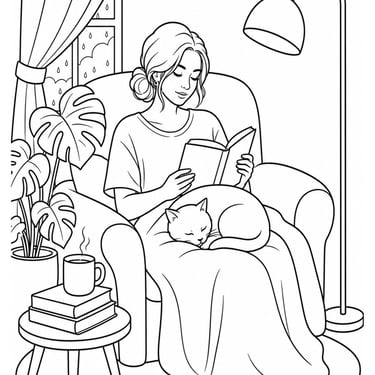
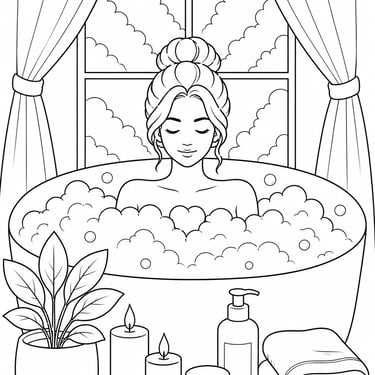
Can Creative Activities Really Help With Stress?
Many people assume relaxation means doing nothing.
But for some people, doing nothing can actually make stress feel louder.
When the mind is already full of worries, complete stillness can feel uncomfortable.
This is one reason creative hobbies have become increasingly popular as relaxation tools.
Creative activities provide a middle ground between:
constant stimulation
complete inactivity
They offer something gentle to focus on without creating additional pressure.
Popular calming creative activities include:
coloring
journaling
knitting
crochet
puzzle books
reading fiction
sketching
crafting
Many people find these activities helpful because they encourage slower, more intentional focus.
Unlike social media, they usually do not require constant emotional reactions or decision-making.
What Are the Best Ways to Relax When You're Stressed?
There is no single "best" way to relax.
Different people respond to different types of activities.
The key is finding activities that help your mind slow down rather than adding more stimulation.
Physical relaxation
walking
stretching
yoga
Why it helps:
Physical movement can help release tension that builds up during stressful periods.
Mental relaxation
reading
journaling
coloring
Why it helps:
These activities provide gentle focus and can help create distance from worries and mental overload.
Social relaxation
talking to friends
spending time with family
Why it helps:
Supportive social connections can help reduce feelings of isolation and emotional exhaustion.
Sensory relaxation
tea
candles
music
Why it helps:
Creating a calming environment can help signal to the nervous system that it is safe to slow down.
Creative Relaxation
Examples:
coloring
crafts
knitting
creative projects
Why it helps:
Creative activities combine focus, enjoyment, and gentle engagement without the pressure of productivity.
Why Coloring Feels Different From Other Relaxation Activities
Coloring has become increasingly popular among adults for a simple reason:
It is easy to start.
Many hobbies require:
planning
equipment
energy
learning new skills
Coloring does not.
You can begin immediately.
For many people, coloring provides:
quiet focus
gentle creativity
visual calm
repetitive movement
a break from screens
There is no pressure to be productive.
No pressure to perform.
No pressure to create something perfect.
Many people describe coloring as one of the easiest ways to transition from a busy state into a calmer state.
Because the activity is simple, it can feel accessible even on difficult days.
Coloring vs Scrolling: Which One Helps You Relax More?
Scrolling often feels relaxing in the moment.
But many people notice that they feel more mentally tired afterward.
One reason is that scrolling continuously introduces new information, new emotions, and new decisions.
Coloring works differently.
Scrolling encourages constant consumption.
Coloring encourages sustained attention.
Scrolling often creates more stimulation.
Coloring often creates calmer focus.
Neither activity is inherently good or bad.
But when the goal is relaxation, many people find that slower creative activities feel more restorative than endless scrolling.
If you often feel stressed at the end of the day, replacing even 10–15 minutes of scrolling with a calming hobby may make a noticeable difference over time.
A Simple 15-Minute Stress Relief Routine
You do not need an elaborate self-care routine to experience moments of calm.
Even a simple 15-minute ritual can help create space between the demands of the day and the rest of the evening.
First 5 Minutes
Put your phone aside.
Turn off unnecessary notifications.
Take a few slow breaths.
Allow your attention to shift away from incoming information.
Next 5 Minutes
Make tea.
Listen to calming music.
Sit somewhere comfortable.
Give yourself permission to pause.
Final 5 Minutes
Choose a simple coloring page.
Color slowly.
Do not worry about perfection.
Do not worry about finishing.
Focus only on the process.
Small moments of calm are often more powerful than people realize.
Different people relax in different ways.
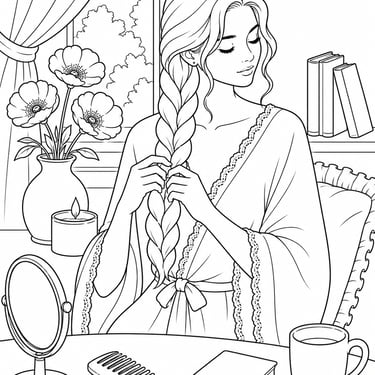
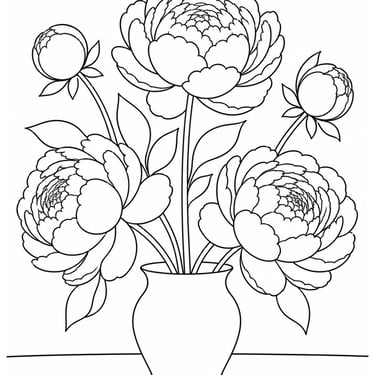
This free printable coloring 5 pages pack includes a variety of calming coloring styles designed to support relaxation, screen-free downtime, and gentle creative focus.
Whether you prefer simple bold designs, cozy scenes, or self-care themed pages, you'll find something that feels approachable and relaxing.
Calming Coloring Pages for Stress Relief
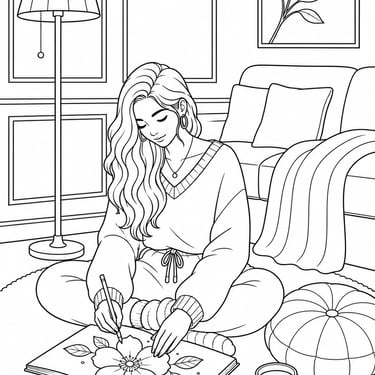
Different people find different types of coloring pages relaxing.
Some prefer simple bold designs.
Others enjoy cozy scenes, self-care themes, or gentle decorative patterns.
The goal is not artistic perfection.
The goal is creating a few quiet minutes for yourself.
Related Articles
You may also enjoy:
I Can't Stop Scrolling at Night — Why It Happens and What Actually Helps
Simple Relaxing Activities You Can Try Today
How to Build a Relaxing Evening Routine Without Screens
Low-Dopamine Hobbies That Help You Feel Calm Again
Coloring for Stress Relief: Why It Feels So Calming
FAQ
Why am I stressed all the time?
Constant stress often happens when the brain and nervous system do not have enough opportunities to recover. Work pressure, financial concerns, information overload, poor sleep, and constant digital stimulation can all contribute to feeling stressed on a daily basis.
Is it normal to feel stressed every day?
Occasional stress is a normal part of life. However, if stress feels constant and never seems to go away, it may be a sign that your mind and body need more rest, recovery, and screen-free downtime.
Why can't I relax even when I have free time?
Many adults become so used to being busy that relaxation starts to feel unfamiliar. Even when there is free time available, the brain may continue running through worries, responsibilities, or unfinished tasks.
Why does stress feel worse at night?
During the day, work and responsibilities keep the mind occupied. At night, those distractions disappear, which can make worries and overthinking feel more noticeable. This is one reason many people turn to scrolling or other distractions before bed.
Can stress make you feel tired all the time?
Yes. Chronic stress can leave people feeling mentally and emotionally exhausted. Even after sleeping, stress can make it difficult to feel fully rested and refreshed.
What are some simple ways to relax when feeling stressed?
Many people find relief through low-pressure activities such as:
coloring
reading
journaling
walking
stretching
listening to calming music
puzzle books
screen-free hobbies
The goal is not productivity but recovery.
Can coloring help reduce stress?
Many people find coloring calming because it combines gentle focus, repetitive movement, and screen-free creativity. While coloring is not a medical treatment, it can be used as a relaxing activity that supports mindfulness and stress management.
What type of coloring pages are best for stress relief?
Different styles work for different people.
For example:
Bold & Easy pages can feel less overwhelming.
Cozy pages can feel comforting.
Repetitive patterns may feel calming.
Self-care and feminine-themed pages can create a sense of emotional softness.
Is scrolling making my stress worse?
For some people, excessive scrolling can contribute to mental overload, information fatigue, comparison, and difficulty switching off. Replacing some scrolling time with calming offline activities may help create more balance.
What are the best relaxing hobbies for adults?
Popular relaxing hobbies include:
coloring
reading
knitting
journaling
gardening
puzzle books
crafting
photography
painting
creative writing
The best hobby is often the one that feels easy to start and enjoyable to continue.
How long should I spend on a relaxing activity?
Even 10–15 minutes can be beneficial. Many people find that short, consistent moments of relaxation are easier to maintain than trying to create long self-care routines.
Can creative activities help with mental recovery?
Creative activities can provide gentle focus, reduce screen exposure, and create opportunities to slow down. Many people use creative hobbies as part of a balanced stress-management routine.
About Sacred Coloring
Sacred Coloring creates printable coloring pages and coloring books designed for relaxation, mindfulness, anti-scrolling habits, feminine wellness, pregnancy support, and creative screen-free routines.
The collection includes:
adult coloring pages
bold & easy coloring pages
feminine and self-care coloring books
pregnancy affirmation coloring pages
screen-free creative activities
printable PDF coloring bundles
The goal is simple: to help people create more calm, creativity, and offline moments in everyday life.
Free printable stress relief coloring pages by Sacred Coloring
Conclusion
Feeling stressed all the time does not necessarily mean something is wrong with you.
For many people, stress is simply a sign that life currently contains more stimulation than recovery.
Small moments of calm may not solve every problem, but they can help create space to breathe, slow down, and reconnect with yourself.
You do not need a perfect routine.
You do not need hours of free time.
Sometimes a few quiet minutes with a cup of tea, a screen-free activity, or a simple coloring page can be enough to create a meaningful pause in a busy day.
The goal is not perfection.
The goal is recovery.
One small moment at a time.